Avoid Common Battery Buying Mistakes in 2026
As we navigate through 2026, the reliance on batteries continues to grow across various devices ranging from smartphones to electric vehicles. Making informed choices when purchasing batteries is crucial to ensure optimal performance and longevity. In this article, we will explore the common mistakes consumers make while buying batteries and provide insights on how to avoid them. Understanding these pitfalls can save you money and frustration in the long run.
Understanding Battery Types
Before making any purchase, it is essential to understand the different types of batteries available on the market in 2026. The most common types include alkaline, lithium-ion, nickel-metal hydride, and lead-acid batteries. Each type has its own applications, advantages, and disadvantages.
Alkaline Batteries
Alkaline batteries are widely used in household devices like remote controls and flashlights. They offer good energy density and are relatively inexpensive. However, one common mistake is assuming that all alkaline batteries perform equally, which is not the case. Buying generic brands can lead to poor performance and premature failure.
Lithium-Ion Batteries
Lithium-ion batteries dominate technology sectors, powering smartphones, laptops, and electric vehicles. Due to their higher energy density and longer lifespan, many consumers make the mistake of opting for cheaper alternatives. In 2026, several brands have emerged that offer subpar lithium-ion batteries that can risk device safety and performance.
Checking Compatibility
Another frequent error is neglecting to check battery compatibility with devices. In 2026, devices have become more specialized, and battery specifications can vary significantly. Using the wrong type of battery can lead to inefficient power usage or even damage to the device.
People Also Look For:
- ABSINA 10x AG12 LR43 batteries - 1.5V Alkaline battery leakproof & long-lasting – LR 43/186 / LR1142 / L1142 / V12GA / GPA7...
- PowerTrust Universal Intelligent Battery Charger for 21700 18650 18500 18350 26650 20700 22650 18490 17670 17500 10440 14500 Recha...
- HUI YINGC Solar Power Charger with 5 Watt Portable Solar Panel for 1.2V AA & AAA Household Rechargeable Batteries, 5V USB Output f...
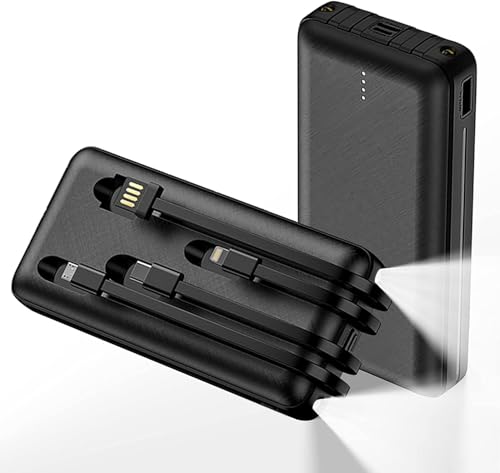
- Power Bank Portable Charger with 3 Built-in Cables,Ultra Slim 13800mAh PD 3.0A USB-C Battery Pack,LCD Display 5 Outputs Travel Ess...
- Venom Rechargeable AA Batteries - 2100mAh 1.2V NiMH - High Capacity (8-Pack), Black
Identifying Device Requirements
Always refer to the device's specifications before purchasing batteries. For instance, many new smartphones require specific lithium-ion battery models that have built-in safety features. Failing to recognize these requirements can lead to device malfunction and void warranties. Take the time to read the instructions or consult the manufacturer’s website.
Assessing Battery Lifespan
Battery lifespan is a critical factor to consider when making a purchase. Many consumers overlook the importance of understanding how long a battery will last under typical usage conditions. In 2026, consumers should be aware of the estimated lifespan provided by manufacturers, which can vary significantly among brands.
Manufacturer Claims vs Real World Usage
While manufacturers often promote impressive lifespan claims for their batteries, real-world performance can differ. Conducting research and reading reviews can provide valuable insights into how long a battery truly lasts under everyday circumstances. For example, a lithium-ion battery may be marketed as lasting 500 charge cycles, but actual usage may lead to reduced performance after only 300 cycles if not properly maintained.
Evaluating Price vs Quality
Price is often the deciding factor for many consumers when purchasing batteries, leading to the common mistake of equating lower prices with better value. In 2026, the market is flooded with both high-quality and low-quality options, making it essential to balance cost with quality.
Brand Reputation
Investing in reputable brands can often yield better results over time. While it may be tempting to choose a cheaper battery option, the long-term costs associated with poor performance can outweigh initial savings. Consider brands that have established a reputation for reliability and performance.
Understanding Environmental Impact
As we move further into 2026, awareness of environmental issues has become more pronounced. Many consumers still overlook the environmental impact of battery disposal and recycling. Purchasing batteries that are recyclable or made from sustainable materials should be a priority for conscientious consumers.
Recycling Programs
Many manufacturers and retailers now offer recycling programs for used batteries. Participating in these programs not only helps the environment but also encourages responsible consumption. Always inquire about recycling options when purchasing new batteries.
Conclusion and Next Steps
By avoiding these common battery buying mistakes, consumers can ensure they make informed choices that enhance device performance and longevity. As battery technology continues to advance in 2026, staying updated on the latest trends and recommendations will be essential for making the best purchasing decisions. Stay tuned for more detailed insights on specific battery types and their applications as we continue exploring this critical topic.